The Development of Sliding Doors: From Classic to Contemporary Styles
The evolution of sliding doors showcases a significant transformation in functionality and design over the centuries. From decorative wooden frameworks in historic castles to sleek, modern glass installations, these doors have adapted to changing tastes and technologies. This journey reflects broader architectural trends and innovations in materials. Grasping this development can guide decisions for modern spaces get the full story and enhance living experiences, prompting a closer look at how these elements can redefine the concept of home.
Latest Innovations in Sliding Door Technology
Sliding door technology has experienced remarkable advancements, elevating both practicality and design. Modern innovations focus on improving user experience through advanced materials and design. High-performance glass, for instance, offers better insulation and UV protection, supporting energy conservation while optimizing natural light intake. Additionally, smart technology integration allows for automated opening and closing, frequently managed through mobile applications, boosting overall convenience.
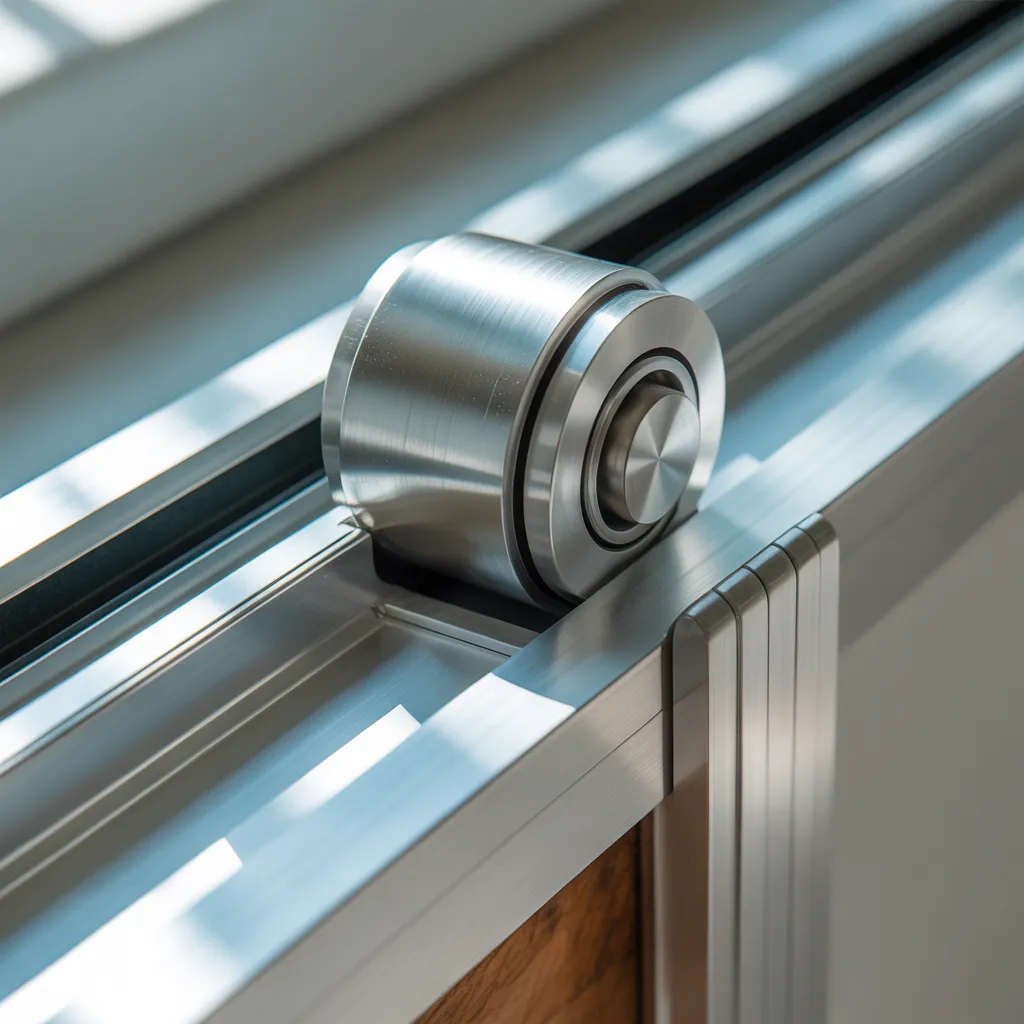
Additionally, contemporary sliding doors utilize refined, modern frames that enhance numerous architectural styles, making them adaptable for residential and commercial spaces alike. Upgraded tracks and roller systems guarantee more fluid operation, minimizing deterioration over time. Custom design choices, including numerous finishes and color variations, allow homeowners to design doors that reflect their individual style.
These advancements not only enhance the visual attractiveness of areas but also provide strength and functionality, reflecting a shift towards modern living that values both aesthetics and functionality in sliding door design.
The Historical Evolution of Sliding Doors
Though commonly connected to modern construction, the history of sliding doors extends back thousands of years. Ancient civilizations, such as the people of China and Japan, crafted sliding doors known as “fusuma” and “shoji,” making use of lightweight materials like rice paper and wood. These designs allowed for versatile room arrangements and effortless transitions between indoor and outdoor spaces.
During the Roman Empire, sliding mechanisms underwent further development, primarily for convenience in public spaces. The implementation of doors that slide rather than swing as opposed to swinging, was found to be practical in heavily populated areas.
Throughout the Medieval period, sliding doors re-emerged in the architecture of Europe, frequently functioning as decorative elements in grand homes and castles. During the 1800s, the Industrial Revolution made possible the large-scale production of sliding doors, resulting in their integration into both residential and commercial properties. This fascinating progression demonstrates the timeless appeal and functional benefits of sliding doors across different cultures and eras.
A Comparison of Sliding Door Materials: Past vs. Present
As architectural styles evolved, so too did the materials chosen for sliding doors, mirroring developments in technology and aesthetic preferences. Historically, sliding doors were primarily crafted from wood, taking advantage of its natural appeal and abundance. Nevertheless, wood's tendency to warp and weather over time led to a pursuit of more resilient alternatives.
In modern design trends, materials like aluminum, fiberglass, and composite alternatives have become increasingly popular. Aluminum delivers a smooth, modern appearance while offering outstanding durability and corrosion resistance. Fiberglass, on the other hand, pairs energy efficiency with the aesthetic of wood, requiring less maintenance and exhibiting better weather resistance. Additionally, glass has become a leading option, enabling smooth indoor-outdoor transitions and enhancing the flow of natural light.
This progression in materials demonstrates a growing emphasis on functionality and environmental responsibility, empowering homeowners to explore solutions that complement personal style while meeting everyday functional expectations.
Selecting Classic Sliding Door Designs for Your Home
Traditional sliding door designs provide a lasting elegance, blending effortlessly into various home designs. Commonly constructed from timber, these doors radiate charm and sophistication, making them suitable for both traditional and modern interiors. Sought-after options encompass the barn door style, which evokes rustic charm, as well as the pocket door, ideal for maximizing space while maintaining a classic aesthetic.
Opting for glass panels can improve natural lighting and create an open atmosphere, making them perfect for uniting indoor and outdoor environments. In addition, ornate hardware, such as classic handles and copyrights, can enrich the classic design, introducing exceptional character to the residence.
When choosing classic sliding doors, property owners should take into account color schemes and architectural elements to maintain consistency throughout their home. Through selecting traditional styles, one can achieve a cohesive and inviting environment that honors both utility and design excellence.
How to Pick the Ideal Sliding Door for Your Space
Picking the perfect sliding door demands careful assessment of both materials and design. Longevity is critical, as the chosen material should endure daily use while complementing the overall aesthetic. Coordinating the sliding door's look with present design elements establishes a harmonious look that improves the area.
Material Factors For Long-Lasting Performance
Durability plays a vital role when selecting sliding doors, as choosing the correct material can heavily affect performance and lifespan. Frequently used materials consist of aluminum, wood, vinyl, and fiberglass, each providing unique advantages. Wood provides aesthetic appeal but often demands consistent upkeep to avoid warping. Fiberglass is known for its strength and resistance to weathering, making it ideal for various climates. Aluminum delivers a sleek, modern aesthetic while being lightweight, although it has a tendency to conduct temperature extremes. Vinyl stands out for being easy to maintain and highly energy-efficient, rendering it a widely favored selection for residential use. When selecting a sliding door, take into account environmental conditions and how often it will be used to ensure the selected material satisfies durability requirements while aligning with practical performance expectations.
Style Coordination With Décor
Selecting the perfect sliding door can greatly improve the overall look of a living area. To accomplish style balance, one must take into account the current décor and architectural elements. For contemporary settings, refined, minimalist designs with materials like glass and metal enhance contemporary furnishings. In contrast, conventional spaces are complemented by wooden doors showcasing intricate details or elegant finishes. Hue also holds significant importance; doors should either complement or offset elegantly with neighboring walls, furniture, and decorative elements. For varied interiors, bold patterns or unique textures can act as focal points. In the end, the preferred sliding door should not only function well but also resonate with the general design vision of the room, guaranteeing a unified and appealing atmosphere.
How Contemporary Sliding Doors Improve Indoor-Outdoor Living
Contemporary sliding doors significantly improve the indoor-outdoor lifestyle by seamlessly merging interior spaces with the natural environment. Such wide glass surfaces deliver open, unrestricted sightlines, enabling natural light to pour into interior spaces while creating a visual connection to outdoor landscapes. Within modern architectural styles, slim frames maximize glass surfaces, making spaces feel larger and more open.
Usability is another critical factor; many sliding doors operate smoothly, enabling effortless transitions between interior and exterior spaces. This attribute fosters a more dynamic approach to living, accommodating entertainment and regular activities in an integrated setting. Additionally, modern materials offer improved insulation and security, guaranteeing warmth and protection without sacrificing visual appeal.
Landscaping elements and outdoor furnishings can be thoughtfully unified, forming a unified space that promotes leisure and social connection. At their core, modern sliding doors not only improve the architectural beauty of a home but also foster a lifestyle that welcomes the natural world and open-space living.

Common Questions and Answers
How Much Does It Cost on Average to Install Sliding Doors?
The standard costs of sliding door installation usually fall from $1,000 to $2,500, based on materials, dimensions, and installation requirements. Homeowners should consider additional expenses such as hardware and potential structural modifications.
How Do I Maintain Sliding Doors Over Time?
Routine upkeep of sliding doors includes clearing out tracks, applying lubricant to rollers, checking seals for wear, and adjusting alignment. Confirming correct operation necessitates regular check-ups to avoid debris accumulation and ensure consistent performance over time.
Are Sliding Doors Considered Energy-Efficient Choices?
Sliding doors can be energy-efficient, most notably when featuring double or triple glazing. Correct installation and weather sealing improve their efficiency, minimizing heat loss and making them an ideal option for energy-aware homeowners.
Are Sliding Doors Available in Custom Options for Unique Spaces?
Sliding doors can absolutely be adapted to accommodate unique areas. A wide range of materials, sizes, and designs enable customized solutions, guaranteeing they satisfy both visual and practical needs, elevating the general attractiveness of any space.
Which Safety Features Should I Look for in Sliding Doors?
When picking out sliding doors, you should evaluate features like tempered glass for impact resistance, robust locking systems to deter unauthorized access, reinforced anti-lift tracks to discourage tampering, and protective sensors to prevent unintended closures.
Comments on “Complete Guide to Sliding Doors”